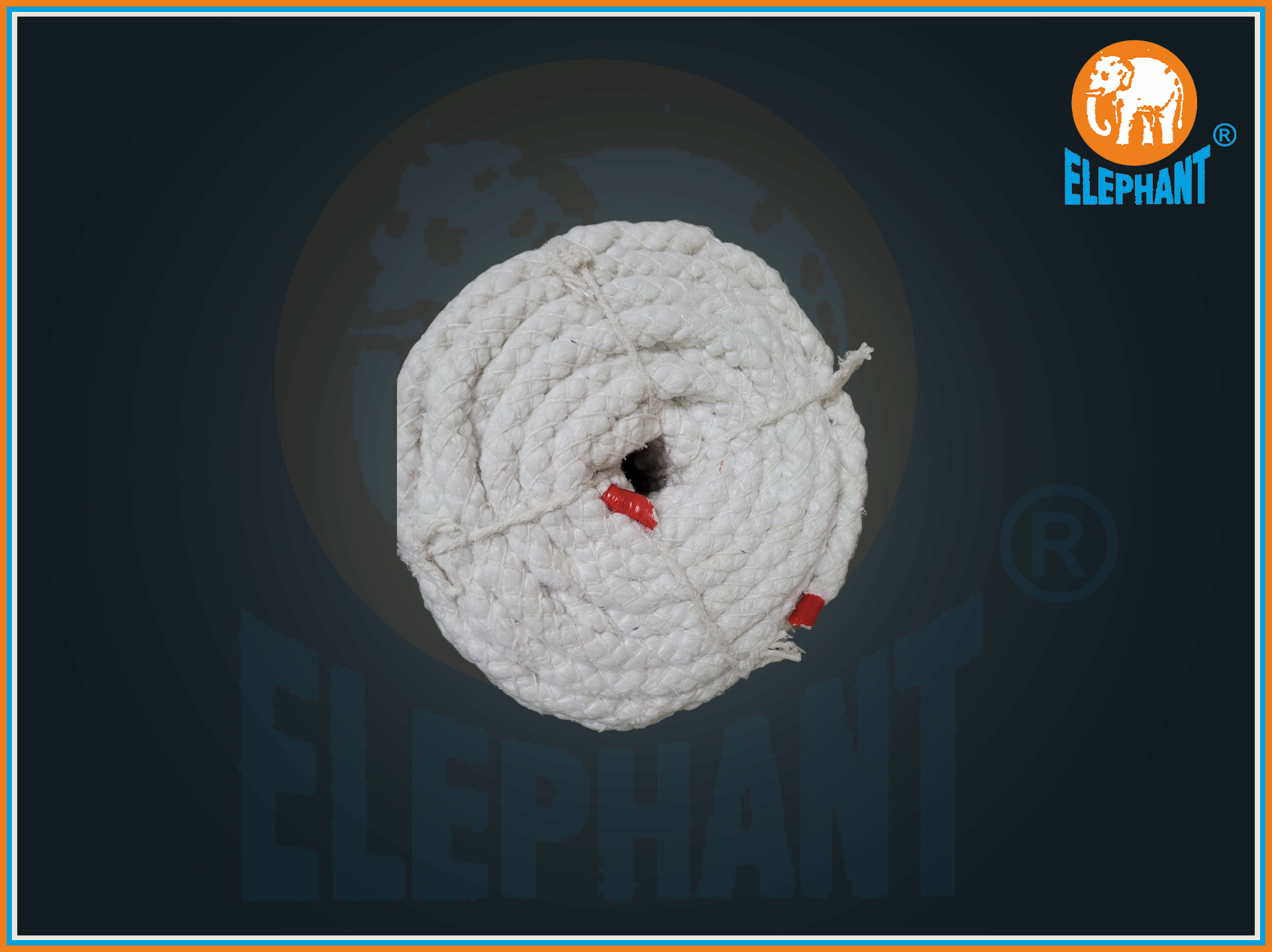
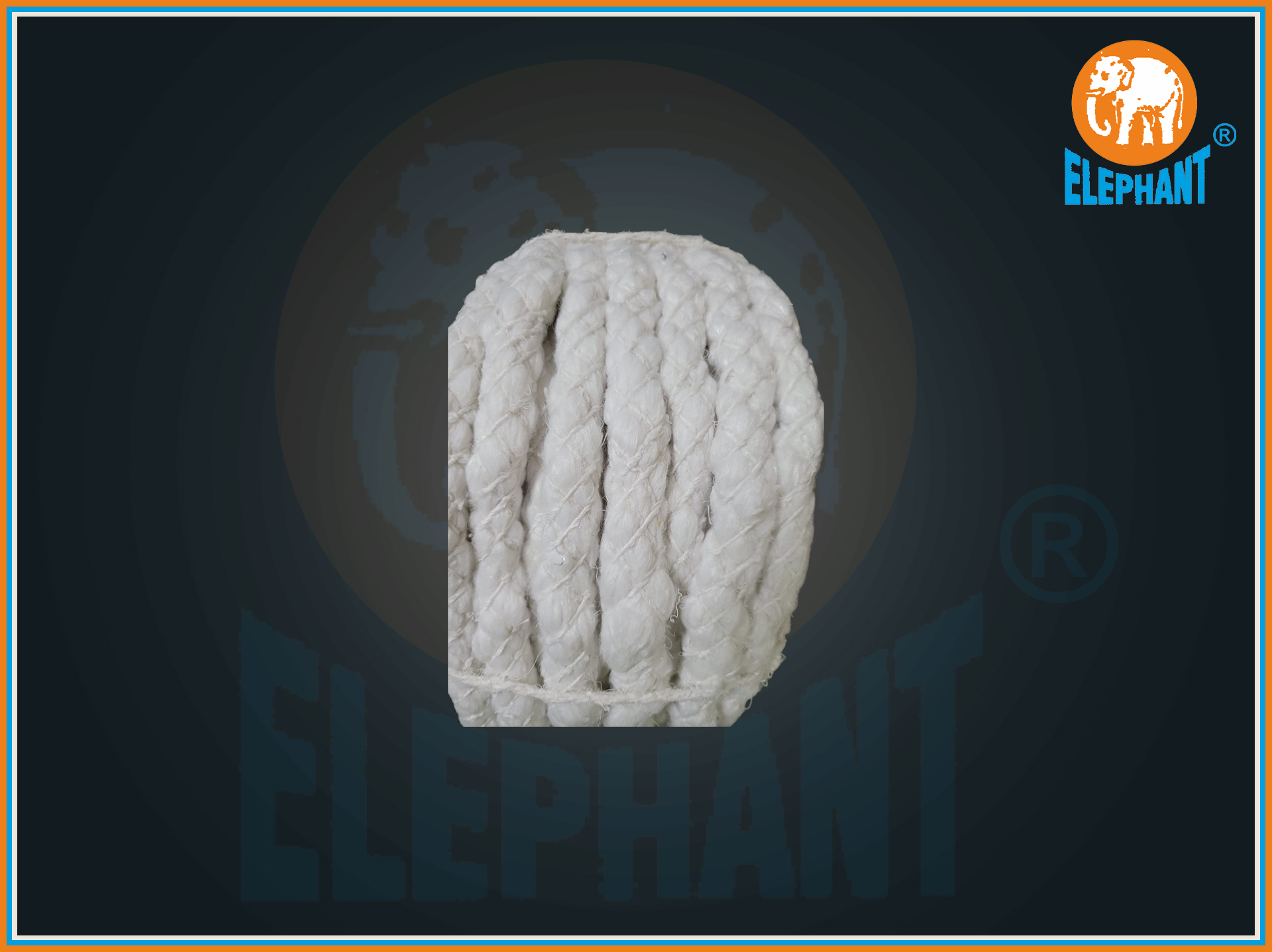
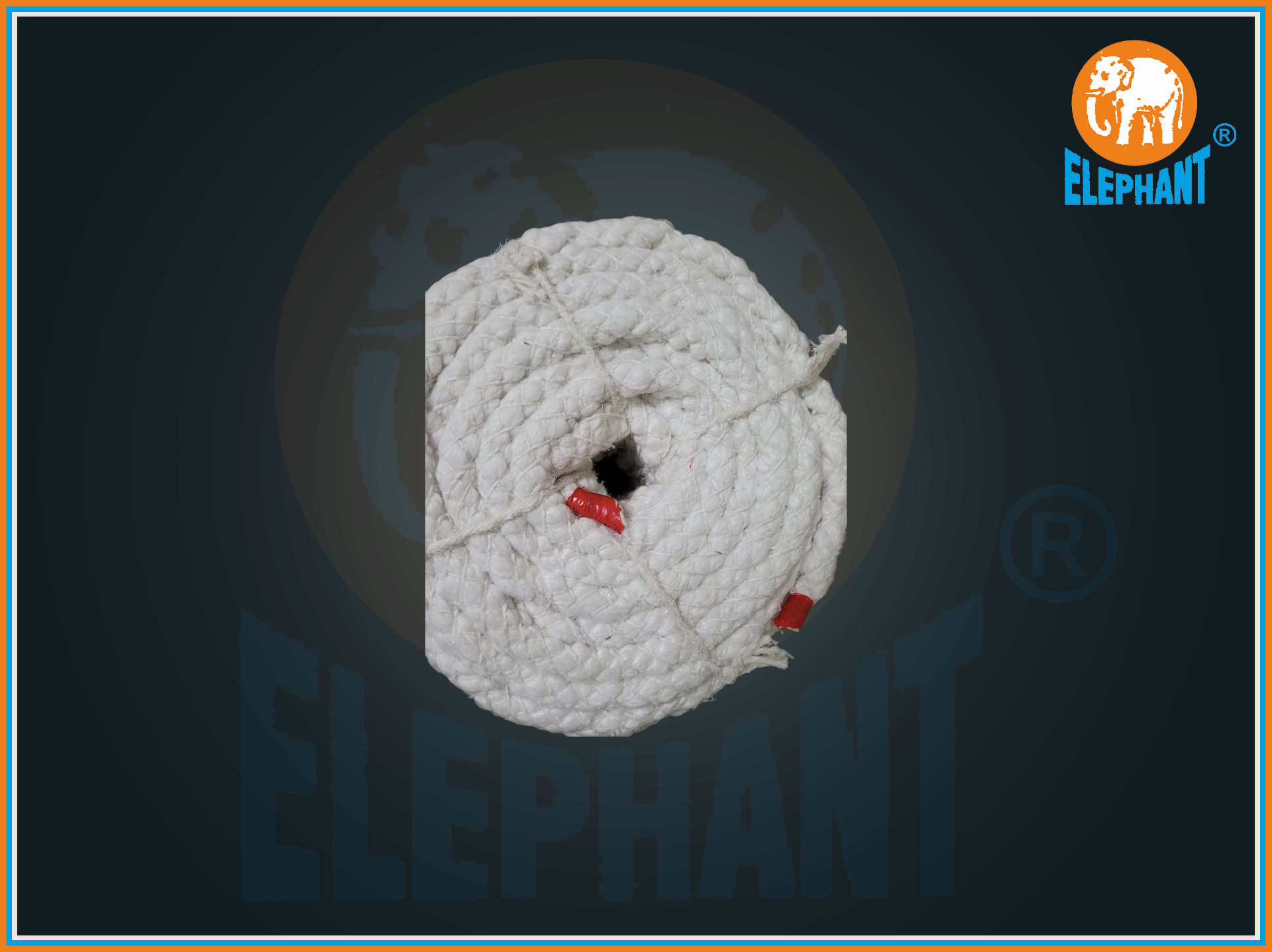
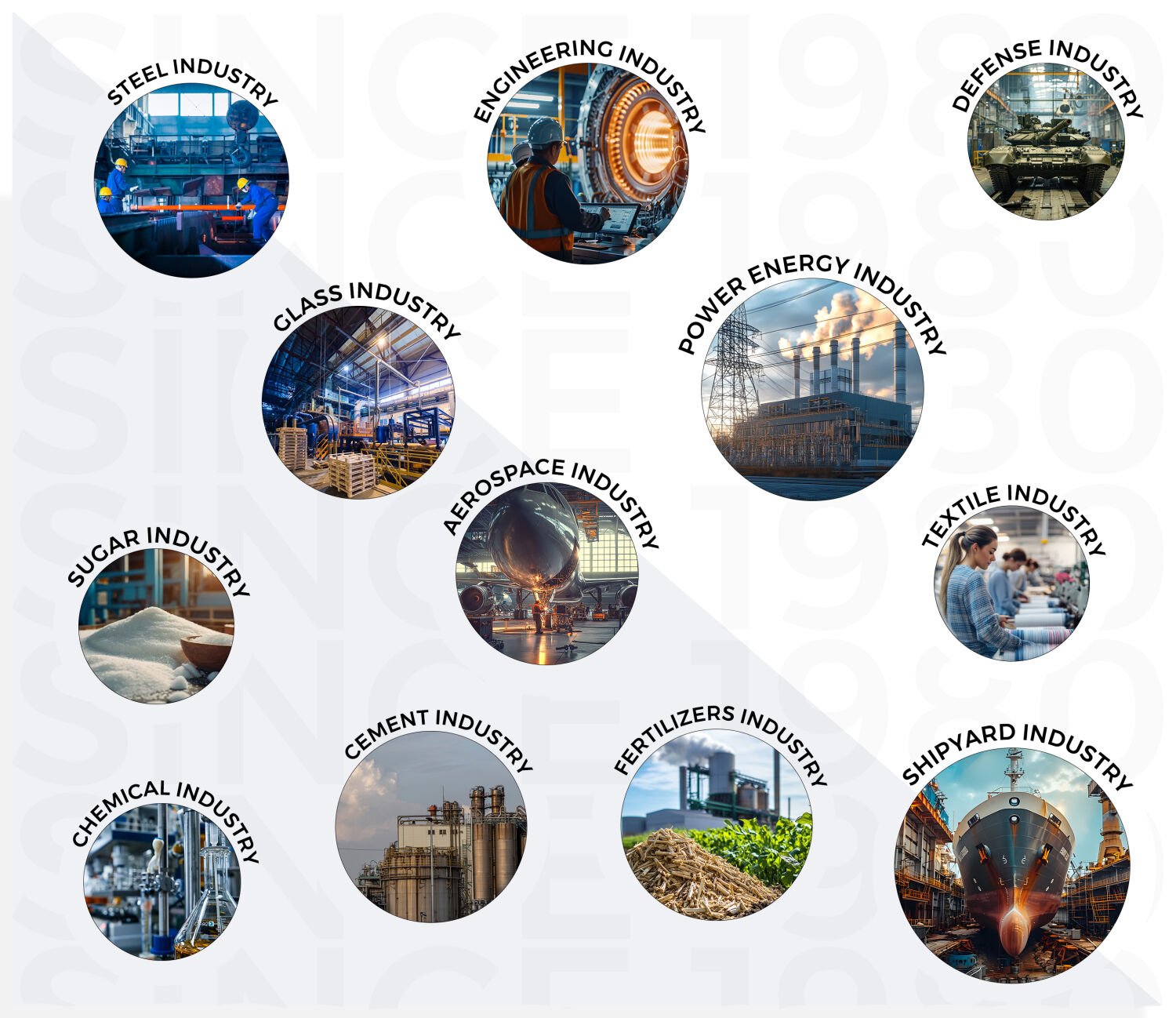
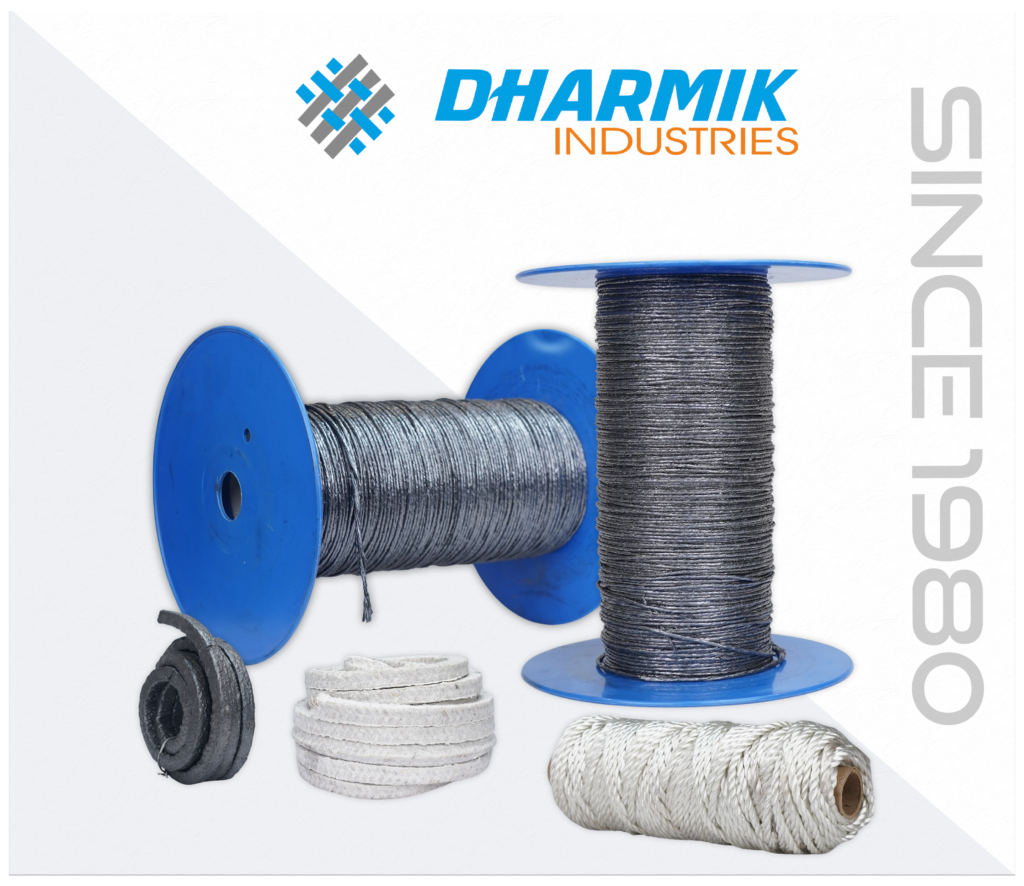
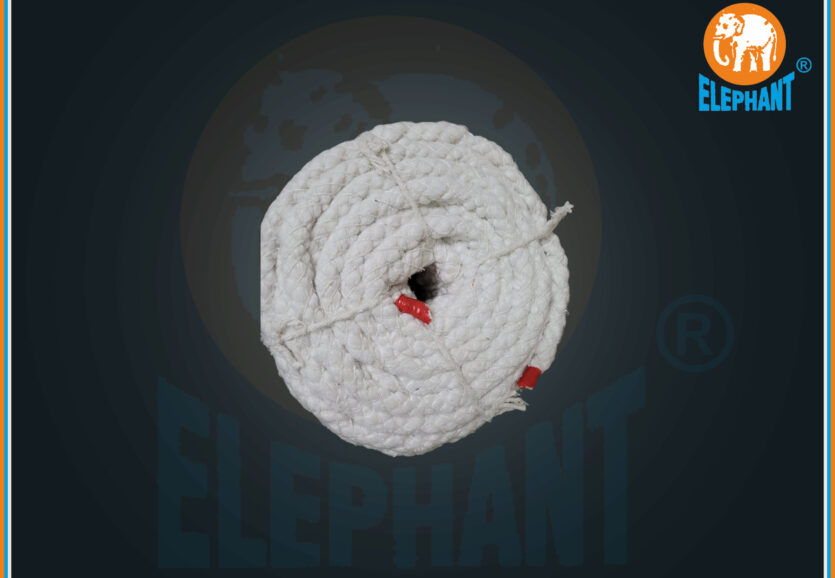
Dharmik Industries is a top and high-quality Asbestos Soft Lagging Rope manufacturer in Ahmedabad, and & supplies across India, USA, African Countries, Arab Countries, and worldwide for various industries.
Technical Specification
Rope Shape
Round
Rope Type
Lagging
Color
White
Brand
Elephant
Diameter
Ranging from 6mm to 100MM
Maximum Operating Temperature
Up to 550°C (842°F)
Continuous Service Temperature
Typically around 300°C to 400°C (572°F to 752°F)
Technical Specification
Rope Shape
Round
Rope Type
Lagging
Color
White
Brand
Elephant
Diameter
Ranging from 6mm to 100MM
Maximum Operating Temperature
Up to 550°C (842°F)
Continuous Service Temperature
Typically around 300°C to 400°C (572°F to 752°F)
Uses of Asbestos Lagging Rope
1) Insulation: Used for thermal insulation in boilers, furnaces, and heat exchangers.
2) Sealing: Acts as a sealant in high-temperature applications, such as in industrial ovens, kilns, and other equipment.
3) Lagging: Often used to wrap around pipes, valves, and flanges to prevent heat loss and protect surrounding materials.
Details of Asbestos Lagging Rope
1) Composition: Made from asbestos fibers, Combined with organic or inorganic binders to enhance flexibility and strength.
2) Form: Typically braided or twisted into a rope form, available in various diameters.
3) Color: Usually white to off-white.
4) Texture: Soft and pliable, making it easy to apply around uneven surfaces or tight spaces.
Uses of Asbestos Lagging Rope
1) Insulation: Used for thermal insulation in boilers, furnaces, and heat exchangers.
2) Sealing: Acts as a sealant in high-temperature applications, such as in industrial ovens, kilns, and other equipment.
3) Lagging: Often used to wrap around pipes, valves, and flanges to prevent heat loss and protect surrounding materials.
Details of Asbestos Lagging Rope
1) Composition: Made from asbestos fibers, Combined with organic or inorganic binders to enhance flexibility and strength.
2) Form: Typically braided or twisted into a rope form, available in various diameters.
3) Color: Usually white to off-white.
4) Texture: Soft and pliable, making it easy to apply around uneven surfaces or tight spaces.
ContactsWe are always ready to help you and answer your questions
Have questions about our products? Contact Dharmik Industries today for expert assistance
Product Enquiry
×
High-quality Asbestos Rope Latest Price, Manufacturer & Supplier in India