Asbestos Tapes for Heavy Industries: Demand Outlook
In today’s industrial landscape, the demand for asbestos tapes is evolving rapidly. Heavy industries worldwide are increasingly requiring high-performance insulation and heat-resistant materials, and asbestos-based tapes are often part of that mix. This article investigates why global demand for asbestos tapes remains strong, what drives it, how heavy industries use them, and what the future may hold. By understanding these factors, industry buyers, suppliers and manufacturers can position themselves effectively.
What Are Asbestos Tapes and Why They Matter
Definition and Key Properties
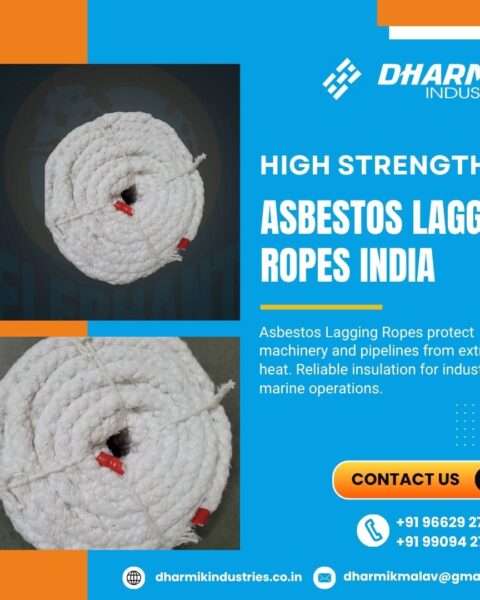
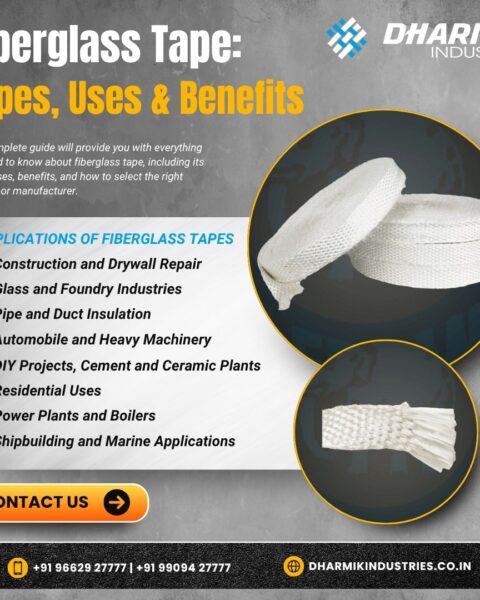
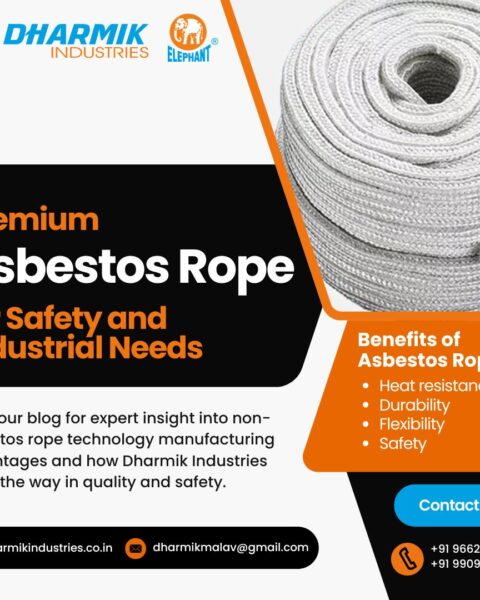
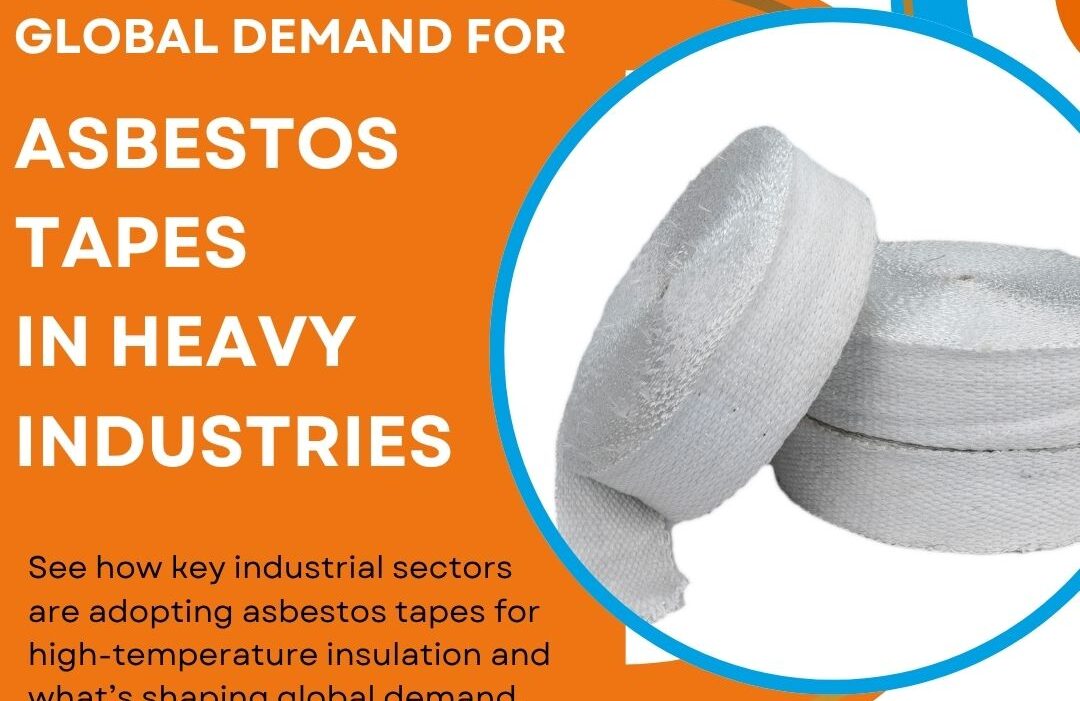
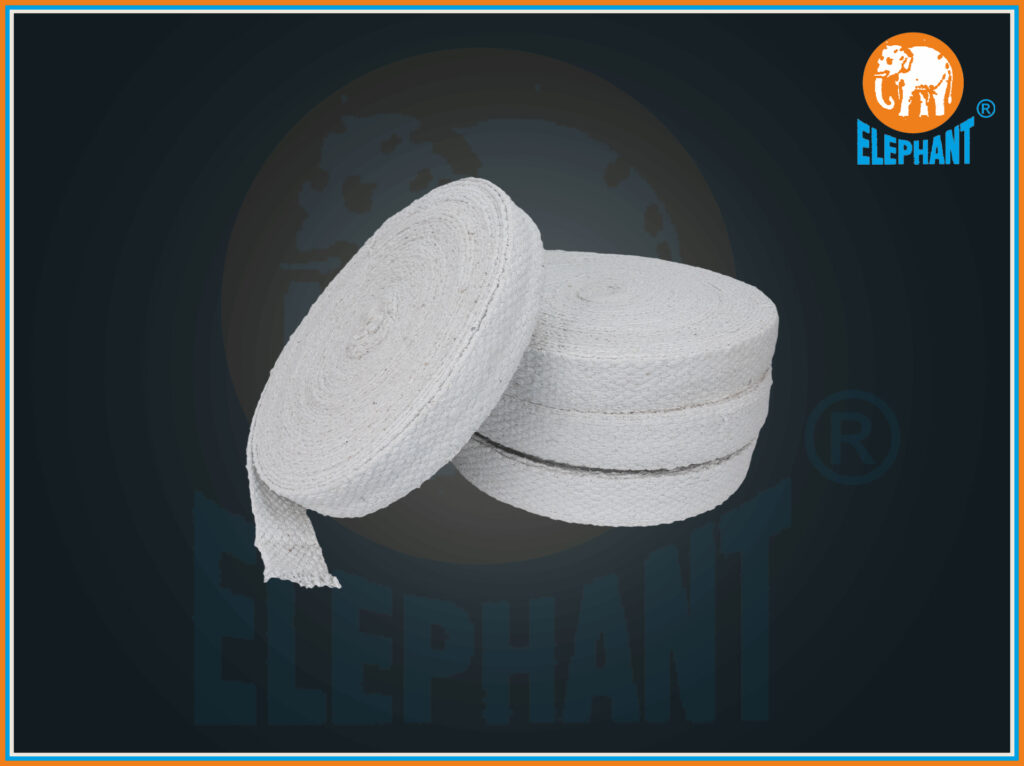
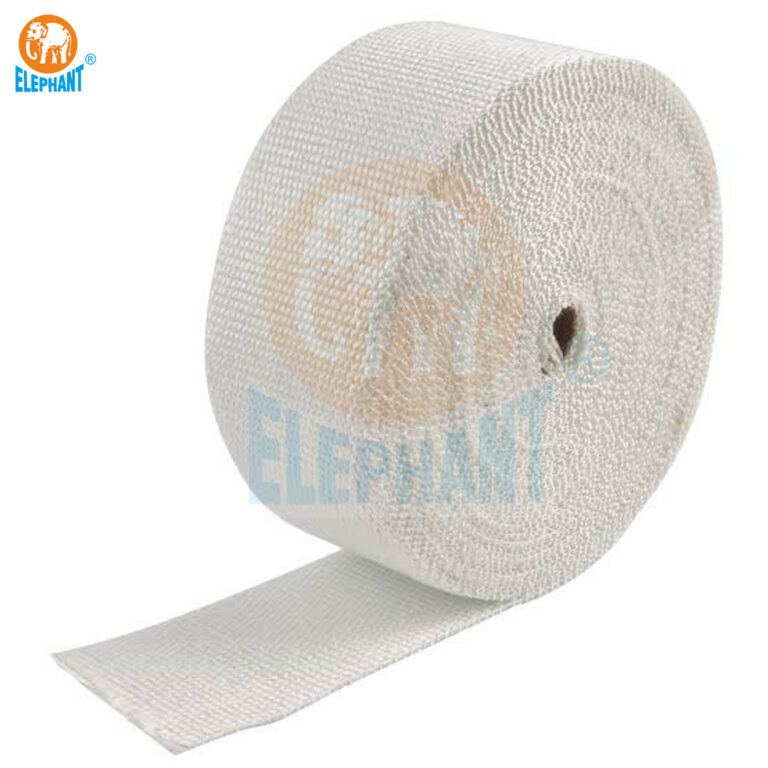
Asbestos tapes are woven or braided products made from asbestos fibres, often combined with binders or adhesives, designed for insulation, sealing, and high-temperature protection. They usually exhibit excellent heat resistance, good tensile strength, and stability under harsh conditions. These properties make them relevant in heavy industries where extreme temperatures, chemical exposure or mechanical stress are present. For example, some manufacturers describe these tapes as fireproof, flexible, and able to maintain performance at elevated temperatures.
Historical Use in Heavy Industries
Historically, asbestos was used widely because of its thermal insulation and fire-resistant properties. Industries such as steel, power generation, chemical plants, petrochemicals, and shipbuilding adopted asbestos textiles, including tapes, for wrapping, sealing, and insulating equipment. One study noted that industrial textile-making units produced asbestos yarn, rope, and tape for insulation and other uses. Because of this long history, many heavy-industry users are familiar and comfortable with asbestos-based solutions, and change-out cycles tend to be long.
Heavy Industry Sectors Driving Demand
1: Steel, Petrochemical, and Power-Generation Applications
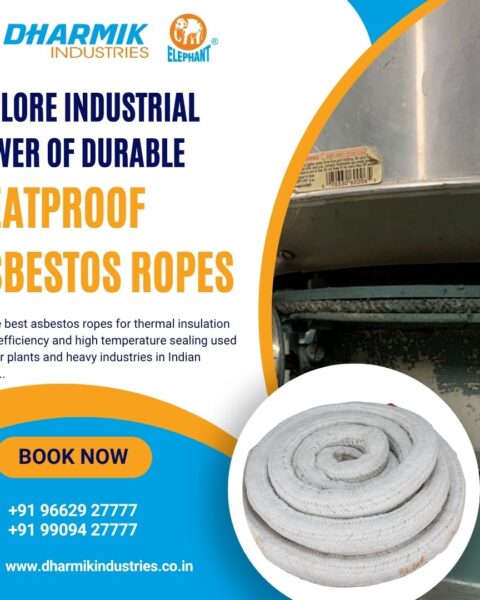
In the steel sector, furnaces, boilers, pipes, and flue systems demand insulation that can handle high temperatures, abrasion, and mechanical stress. Here, asbestos tapes are still used because they meet those conditions and have a known performance history. In petrochemical plants and refineries, heavy-duty insulation for equipment exposed to heat and chemicals is critical. As one supplier describes, these products are “widely used in varied heavy machinery industry applications like heat insulation of pipes and boiler sealing.” mitc.co.in
2: Automotive and Shipbuilding Uses
Although heavy industries like shipbuilding and automotive have seen regulatory pressures, certain insulation or wrapping applications still call for materials capable of high-temperature protection, vibration resistance and space-constrained installation. For example, an Indian manufacturer of asbestos tapes lists automotive wire heat insulation as an application, with working temperature ranges from –40 °C to +150 °C. darshansafetyzone.com
3: Regional Growth and Emerging Markets
Beyond traditional markets in North America and Europe, emerging regions (such as Asia, Africa, and Latin America) are experiencing heavy-industry growth, which drives demand for thermal-insulation materials. In particular, countries with expanding power generation, steel production, mining and infrastructure build-out require high-temperature insulation solutions and thus offer growth for asbestos tapes or comparable materials.
Key Drivers of Global Demand
1: Industrial Expansion and Infrastructure Investment
As heavy-industry capacity expands globally, the need for high-temperature insulation and protective materials grows. When new plants are commissioned, or when aging infrastructure is refurbished, demand for insulation tapes goes up. Thus, this expansion is a major driver for the demand for asbestos tapes.
2: Cost-effectiveness and Established Performance
Many heavy-industry operators rely on proven solutions. Because asbestos tapes have decades of application history and known performance, they often are chosen when cost-effectiveness is a priority. In many cases the tape is easier to source and install compared to newer alternatives. For instance, one manufacturer emphasises high strength, durability, heat resistance, and fine finish for its asbestos-tape product.
3: Temperature, Chemica,l and Abrasion Requirements
Heavy-industry environments impose severe demands: high temperatures, chemical exposure, abrasion, vibration, and tight installation spaces. Any insulation material must meet or exceed these conditions. As example, materials such as asbestos tapes are engineered to handle—depending on grade—temperatures of several hundreds of degrees Celsius.
4: Legacy Systems and Maintenance Cycles
Many heavy-industry facilities have legacy systems already built using asbestos-based insulation. When maintenance or retrofitting occurs, they often replace like-for-like, thereby perpetuating demand for asbestos tapes. In other words, the existing infrastructure base keeps demand alive.
Asbestos Tapes Market Outlook and Challenges
1: Regulatory and Health Considerations
It is important to note that while demand exists, asbestos materials are heavily regulated in many countries. The Occupational Safety and Health Administration (OSHA) notes that asbestos is a known health hazard, associated with lung disease and cancer. Many jurisdictions either ban or restrict asbestos use, which means that the market for asbestos tapes may face pressure or require substitution over time.
2: Alternatives and Substitution Trends
Because of health and regulatory issues, alternative materials (such as ceramic-fiber tapes, glass-fiber tapes, and other high-temperature synthetic materials) are gaining traction. Heavy-industry buyers may gradually shift to these alternatives when cost and performance permit. For example, one company offers ceramic fiber tape as a substitute.
3: Growth Opportunities in Specific Regions
Despite challenges, there are growth opportunities. For example, markets in Asia where heavy manufacturing and infrastructure expansion are ongoing may offer demand for insulation solutions, including asbestos-based and non-asbestos based tapes. Suppliers with manufacturing hubs in such regions may benefit. One Indian company highlights export focus to Asian countries and the UK.
4: Sizing the Market and Future Trends
Estimating exact global demand for asbestos tapes is challenging due to fragmentation, regulatory divergence, and substitution trends. However, given the interplay of heavy-industry growth, maintenance cycles, and insulation needs, we can anticipate steady demand in the near term, with potential for gradual decline or transformation as alternatives become more cost-effective.
Strategic Implications for Suppliers and Buyers
1: For Suppliers – Positioning and Differentiation
Suppliers of asbestos tapes should emphasise:
Proven performance and experience in heavy-industry insulation.
Customisation (widths, thicknesses, adhesive/backing types) to meet unique heavy-industry needs. One manufacturer in India offers custom sizes and widths for asbestos tape.
Regional manufacturing near heavy-industry clusters so that supply chains are efficient and cost-effective.
Monitoring regulatory changes and offering alternative materials or non-asbestos substitutes to future-proof the business.
2: For Buyers – Selection Criteria and Risk-Management
For heavy-industry buyers considering asbestos tapes, important considerations include:
Confirm that the tape grade meets the required temperature, chemical and mechanical performance for the application.
Evaluate regulatory and health-compliance risks associated with asbestos materials in the region of operation.
Consider total life-cycle cost: including installation, maintenance, and future removal or substitution.
Explore alternative materials where feasible, ensuring equivalent performance and cost-effectiveness.
Partner with suppliers like Dharmik Industries who have robust quality control and supply chain reliability.
Case Study Snapshot – Asbestos Tapes in Indian Heavy Industry
In India, manufacturers of asbestos tapes highlight working-temperatures from about –40 °C to +150 °C for certain auto-wire insulation tapes. dharmikindustries.co.in/asbestos-tape Meanwhile, insulation and tape applications for heavy industry cite working temperatures up to 350 °C or more for asbestos cloth/tape constructions. These figures underscore the high-temperature demands in heavy-industry environments and the role of asbestos-tape products in fulfilling them. From a market standpoint, India remains a hub for both manufacturing and export of insulation materials, which positions it as a regional player in fulfilling global demand.
Takeaways and Action Steps
If you are a heavy-industry buyer: audit your insulation tape portfolio and consider how fast you need to move toward non-asbestos alternatives while managing cost and performance.
If you are a supplier: focus on heavy-industry verticals, emphasise proven performance of asbestos tapes, while preparing for a shift toward alternative materials.
For both sides: stay informed about regulatory developments, especially in export markets, where asbestos bans or stricter enforcement may impact supply, sourcing and compliance.
The future will see a dual-track market: continuing demand for traditional asbestos tapes in certain geographies and heavy-industry applications, combined with increasing adoption of alternatives in regulated or risk-sensitive regions.
Conclusion: Heavy Industry Growth Driving Asbestos Tapes Demand
In conclusion, the global demand for asbestos tapes in heavy industries remains an important but complex topic. On one hand, industrial growth, infrastructure expansion, and heavy-industry performance requirements drive demand. On the other, regulatory pressure, health-risk considerations and substitution trends introduce significant change. Suppliers and buyers alike must balance performance, cost, compliance and future-proofing in this evolving market. If handled proactively, there remains a strong opportunity for well-positioned suppliers and discerning buyers within the heavy-industry insulation space.