Asbestos Lagging Ropes for Safe Industrial Operations
Industrial environments demand materials that stand strong under heat, pressure, and time. Among these, Asbestos Lagging Ropes have been trusted for decades as a reliable insulation and sealing solution. From thermal plants to chemical factories, their role in maintaining safety and efficiency remains unmatched.
Understanding Asbestos Lagging Ropes
What Are Asbestos Lagging Ropes
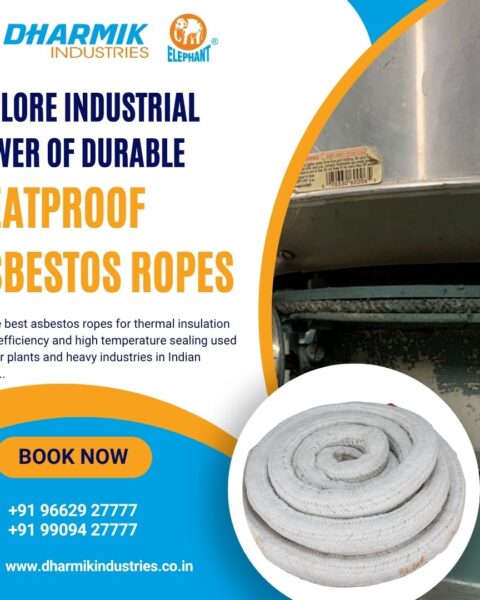
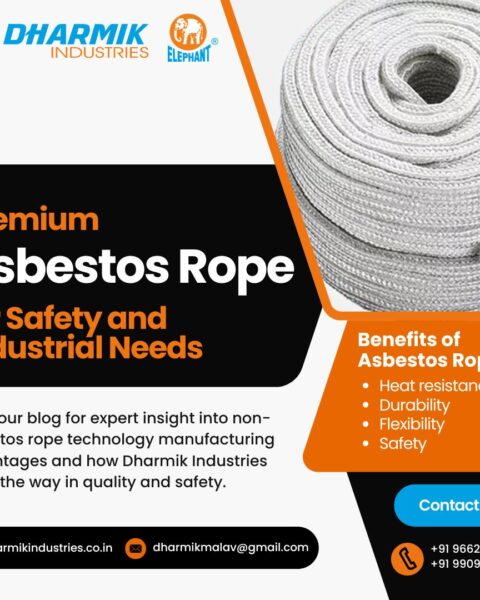
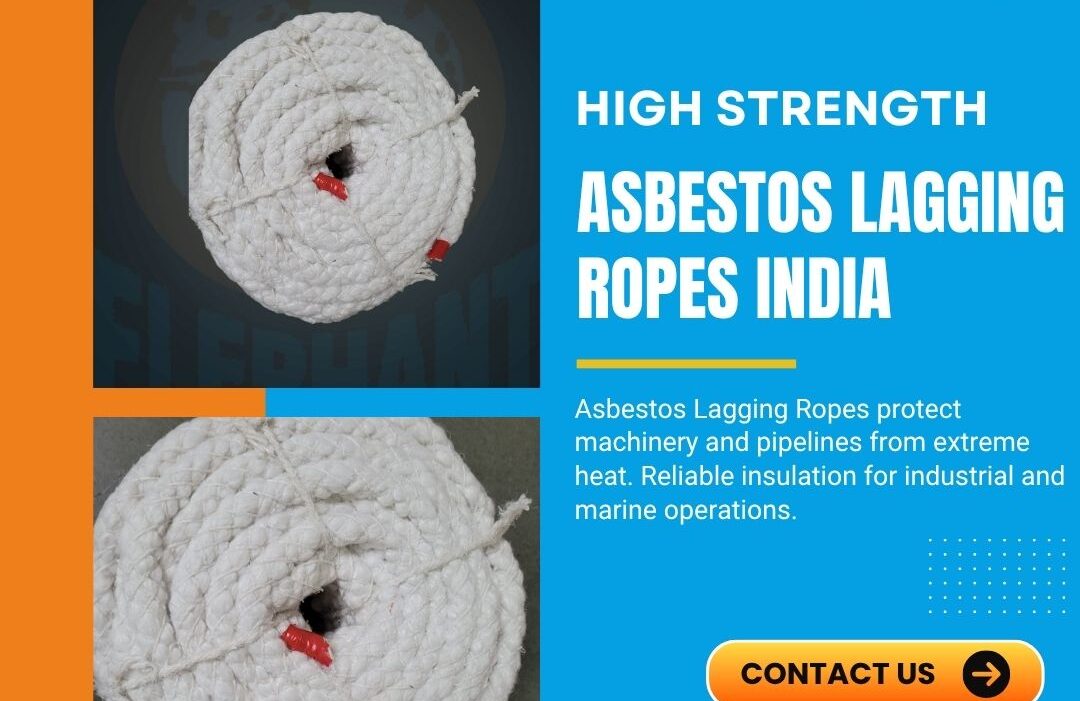
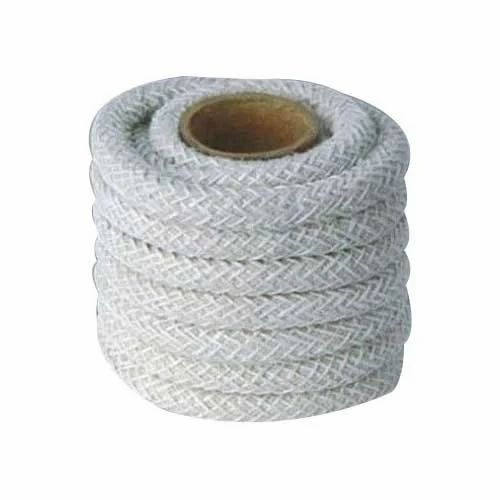
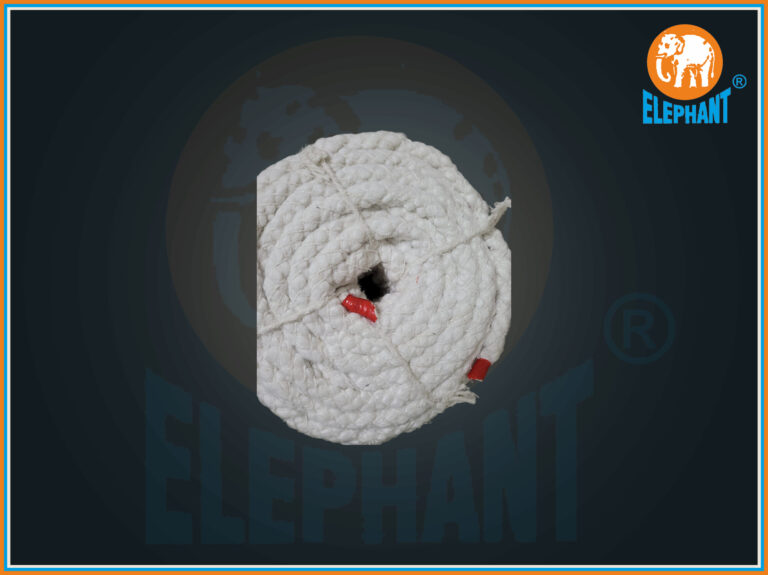
Asbestos Lagging Ropes are braided or twisted ropes made from high-grade asbestos fibers. They are known for their superior heat resistance, durability, and insulation properties. Industries use them around pipelines, boilers, and furnaces to prevent heat loss and ensure operational safety.
These ropes can withstand extreme temperatures and protect workers and equipment from thermal exposure. Their fibrous nature helps create a tight seal around joints and gaps, making them ideal for thermal insulation applications.
Why Industries Use Asbestos Lagging Ropes
Exceptional Heat Resistance
Asbestos Lagging Rope performs remarkably well in high-temperature zones. They resist heat up to 500–600°C, depending on their grade. This feature makes them vital for steam, exhaust, and chemical process lines.
Long-Lasting Durability
Unlike synthetic materials, these ropes retain strength even after prolonged exposure to heat and moisture. Their resilience helps reduce replacement costs and downtime in industrial operations.
Cost-Effective Safety Solution
Industrial safety must never be compromised. Asbestos Lagging Rope provides an affordable way to insulate machinery, reduce energy waste, and improve workplace safety.
Applications of Asbestos Lagging Ropes in Industries
Power Plants
In thermal and nuclear power plants, Asbestos Lagging Ropes are used to wrap pipes, valves, and boilers. They prevent heat leakage and maintain temperature stability, ensuring uninterrupted operations.
Refineries and Petrochemical Units
These ropes are essential in refineries where intense heat and chemical reactions occur daily. Their non-reactive and insulating nature makes them perfect for sealing flanges and exhaust systems.
Cement and Steel Industries
High-temperature furnaces, kilns, and rotary dryers use Asbestos Lagging Rope to maintain consistent heat levels. The ropes also protect metal parts from thermal stress.
Marine and Shipbuilding
Ships and marine vessels use Asbestos Lagging Ropes for insulation around engine rooms, exhausts, and steam lines, ensuring fire safety and efficiency.
Asbestos Lagging Ropes for Safe Industrial Operations
Safety is the heart of every industrial process. Asbestos Lagging Rope contribute to this goal by providing a thermal barrier that prevents fire hazards and equipment failure.
Fire and Heat Insulation
These ropes act as a heat shield, stopping flames and high temperatures from spreading across machinery and surfaces.
Steam and Gas Sealing
In power and chemical plants, steam leakage can lead to energy loss or even accidents. Asbestos Lagging Ropes seal these gaps effectively, maintaining safety and efficiency.
Corrosion and Moisture Resistance
Their fibrous structure not only insulates but also resists corrosion and moisture, ensuring long-term reliability.
Different Types of Asbestos Lagging Ropes
1. Twisted Asbestos Lagging Rope
This type is created by twisting asbestos fibers into a firm, flexible rope. It is ideal for joints, valves, and expansion gaps.
2. Braided Asbestos Lagging Rope
Braided ropes have higher strength and are more durable under pressure. They’re often used where sealing precision is crucial.
3. Graphited Asbestos Lagging Rope
Graphite coating improves lubrication and temperature resistance, making it suitable for dynamic equipment like turbines and engines.
Benefits of Asbestos Lagging Ropes in Industry
Thermal Efficiency
By minimizing heat loss, these ropes enhance the thermal efficiency of industrial systems, leading to reduced energy consumption.
Easy Installation
They are lightweight, flexible, and easy to install without specialized tools. Maintenance becomes quicker and safer.
Reduced Operational Risk
Proper insulation with Asbestos Lagging Rope prevents machinery overheating, thus reducing downtime and repair costs.
Choosing the Right Asbestos Lagging Rope
Quality Standards
Always select ropes that comply with IS and ASTM standards. High-quality ropes ensure consistent performance and safety.
Manufacturer Reliability
Partnering with Dharmik Industries, a trusted manufacturer in India, guarantees durability, affordability, and timely delivery.
Application Suitability
Consider temperature range, pressure level, and environmental conditions before final selection.
Safety and Handling Guidelines
Even though Asbestos Lagging Ropes are efficient, they must be handled responsibly. Workers should wear protective gear, including gloves and masks, to avoid inhaling dust during installation. Always follow national safety regulations for asbestos materials.
Modern Alternatives and Environmental Care
Industries are gradually moving toward non-asbestos lagging ropes such as fiberglass, ceramic fiber, and silica-based ropes. These materials offer similar heat resistance with improved environmental safety. Still, in heavy-duty applications, Asbestos Lagging Ropes continue to be irreplaceable due to their performance and affordability.
Conclusion: Best Asbestos Lagging Ropes for Thermal Safety
Asbestos Lagging Rope remains a cornerstone of industrial insulation and safety. Their ability to resist heat, reduce energy loss, and extend equipment life makes them an indispensable choice for factories and plants across India. When chosen wisely and handled carefully, these ropes deliver lasting performance and unmatched value.
Investing in Asbestos Lagging Ropes means investing in safety, efficiency, and industrial excellence.